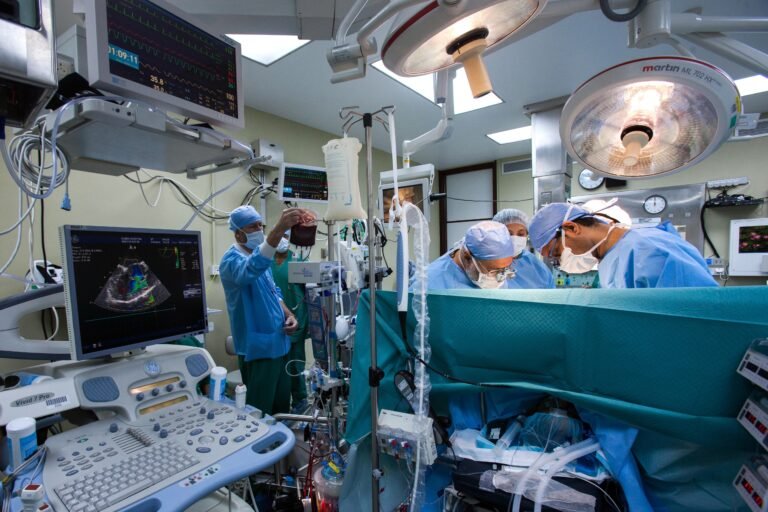

Medical Equipment Procurement Guide: How Hospitals Can Buy Quality Equipment at the Right Price
Medical equipment plays a vital role in diagnosis, treatment, monitoring, and patient care. For hospitals and healthcare facilities, purchasing the right equipment is an important investment that can directly influence operational efficiency and the quality of patient services. However, with numerous brands, models, specifications, and suppliers available, medical equipment procurement can be challenging.
A well-planned procurement process helps hospitals obtain reliable, high-quality equipment while maintaining their budgets. Here are some important factors hospitals should consider before purchasing medical equipment.
1. Identify Your Healthcare Facility’s Requirements
The first step is to clearly understand what your hospital actually needs. Consider the department, patient volume, clinical applications, and existing equipment before starting the purchasing process.
Create a detailed list of required equipment, including essential specifications, quantities, intended usage, and expected installation requirements. Avoid purchasing equipment simply because it has advanced features if those features are not necessary for your healthcare facility.
2. Compare Product Specifications
Medical equipment can vary significantly between manufacturers and models. Hospitals should carefully compare technical specifications, functionality, accuracy, operating requirements, compatibility, and usability.
Consider whether the equipment can integrate with your existing healthcare infrastructure and information systems. Choosing equipment that meets your clinical requirements without unnecessary features can help control procurement costs.
3. Check Quality and Certifications
Quality and safety should always be priorities when purchasing medical equipment. Before placing an order, verify the manufacturer’s credentials, product documentation, applicable regulatory approvals, quality certifications, and safety standards.
Hospitals should also ensure that the equipment is supplied with appropriate manuals, certificates, warranties, and other required documentation.
4. Evaluate the Supplier
Selecting a reliable medical equipment supplier is just as important as selecting the product itself. Look for suppliers with industry experience, a strong reputation, transparent pricing, responsive customer service, and dependable delivery capabilities.
A trustworthy supplier should be able to provide product information, quotations, technical support, installation assistance, and after-sales service when required.
5. Consider Total Cost of Ownership
The purchase price is only one part of the overall cost of medical equipment. Hospitals should also consider installation, training, maintenance, consumables, replacement parts, software updates, energy consumption, and servicing costs.
An equipment model with a slightly higher initial price may provide better long-term value if it offers greater durability, lower maintenance costs, and reliable performance.
6. Review Warranty and After-Sales Support
Medical equipment requires proper maintenance to ensure consistent performance. Before purchasing, review the warranty period and understand what is covered.
Ask suppliers about preventive maintenance, technical support, spare parts availability, repairs, installation, and staff training. Strong after-sales support can reduce downtime and extend equipment life.
7. Request Multiple Quotations
Obtaining quotations from multiple suppliers allows hospitals to compare prices, specifications, warranties, delivery schedules, and service terms. However, the lowest quotation should not automatically be considered the best option.
The ideal procurement decision should balance quality, performance, reliability, service, and price.
Conclusion
Successful medical equipment procurement requires careful planning and informed decision-making. Hospitals should define their requirements, evaluate product quality, compare specifications, verify certifications, assess suppliers, and consider the total cost of ownership before making a purchase.
At eMedeCare, we aim to support healthcare organizations by providing reliable medical equipment and professional assistance throughout the procurement process. Whether you are sourcing equipment for a hospital, clinic, diagnostic center, laboratory, or healthcare organization, choosing the right supplier can help you achieve better value, dependable performance, and long-term confidence in your investment.