Top Medical Equipment Every Modern Hospital and Clinic Needs
Modern healthcare depends heavily on reliable medical equipment. From diagnosis and patient monitoring to emergency treatment and routine examinations, the right equipment helps healthcare professionals deliver safer, faster, and more effective patient care. Hospitals and clinics therefore need to carefully select equipment based on their medical services, patient requirements, facility size, and operational needs.
As a trusted medical equipment supplier, eMedeCare provides healthcare organizations with access to essential medical devices and equipment designed to support modern clinical environments.
1. Patient Monitoring Equipment
Patient monitoring equipment is essential for observing vital signs and identifying changes in a patient’s condition. Common devices include multiparameter patient monitors, pulse oximeters, blood pressure monitors, ECG machines, and temperature monitors.
These devices help healthcare professionals continuously monitor parameters such as heart rate, blood oxygen levels, blood pressure, respiratory rate, and body temperature. Accurate monitoring is particularly important in emergency departments, intensive care units, operating rooms, and recovery areas.
2. Diagnostic Equipment
Accurate diagnosis is the foundation of effective medical treatment. Modern hospitals and clinics require a range of diagnostic equipment depending on their specialties.
Common examples include ECG machines, ultrasound systems, diagnostic imaging equipment, laboratory analyzers, blood glucose meters, and other testing devices. These technologies help healthcare professionals identify diseases, assess patient conditions, and make informed treatment decisions.
3. Emergency and Critical Care Equipment
Emergency departments need dependable equipment that can be used quickly when every second matters. Essential emergency equipment includes defibrillators, ventilators, suction machines, oxygen delivery systems, emergency stretchers, and resuscitation equipment.
Having appropriate emergency equipment readily available can help medical teams respond effectively to critical situations and provide immediate patient support.
4. Surgical and Operating Room Equipment
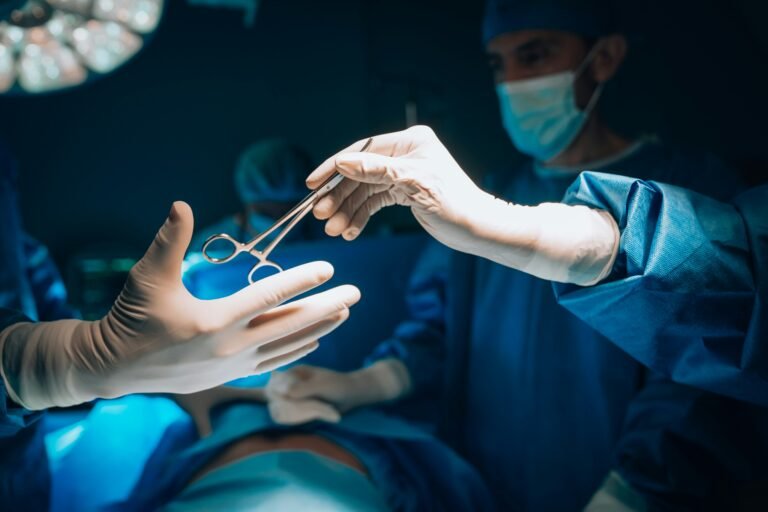
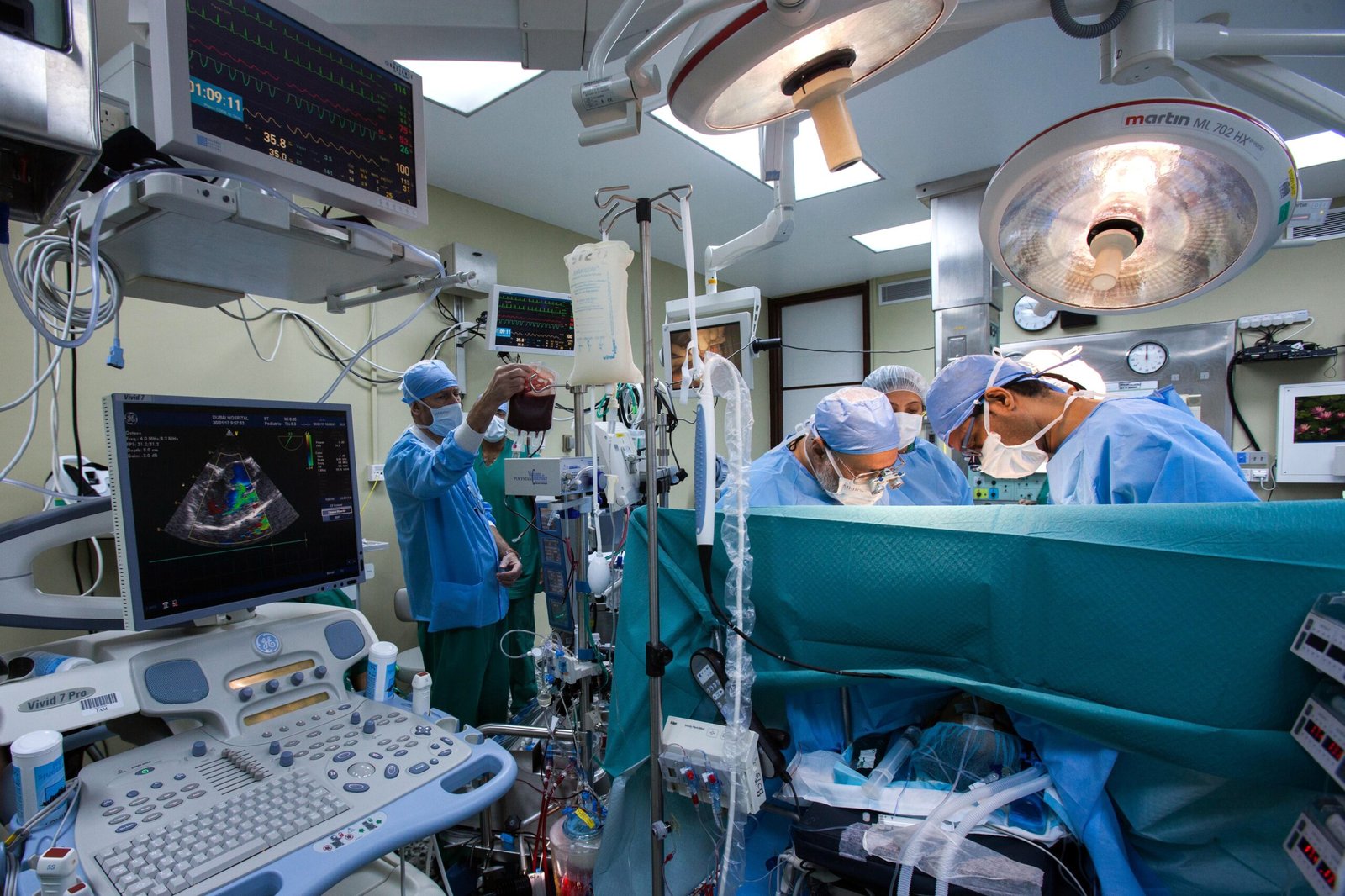
Hospitals performing surgical procedures require specialized equipment to support surgeons, anesthetists, and operating-room staff. Important equipment may include operating tables, surgical lights, anesthesia machines, electrosurgical units, surgical instruments, patient monitors, and sterilization equipment.
Properly maintained surgical equipment contributes to efficient procedures and helps healthcare professionals maintain appropriate clinical standards.
5. Laboratory Equipment
Medical laboratories require accurate and dependable equipment for testing blood, urine, tissue samples, and other specimens. Depending on the laboratory’s services, essential equipment can include centrifuges, microscopes, hematology analyzers, biochemistry analyzers, refrigerators, and diagnostic testing systems.
Reliable laboratory equipment supports accurate testing and helps healthcare professionals obtain important information for diagnosis and treatment.
6. Infection Control and Sterilization Equipment
Infection prevention is a critical part of modern healthcare. Hospitals and clinics require appropriate autoclaves, sterilizers, disinfecting equipment, medical waste management solutions, and protective equipment.
Effective sterilization and infection-control practices help reduce the risk of healthcare-associated infections and create a safer environment for patients and healthcare workers.
7. Choosing the Right Medical Equipment Supplier
Purchasing medical equipment is not simply about finding the lowest price. Healthcare organizations should consider product quality, specifications, certifications, reliability, warranty, technical support, maintenance requirements, and after-sales service.
A dependable supplier can help healthcare facilities select equipment that matches their clinical requirements and budget.
Conclusion
From patient monitoring and diagnostics to emergency care, laboratory testing, surgery, and infection control, medical equipment plays a vital role in modern healthcare facilities. Investing in reliable equipment can improve operational efficiency, support healthcare professionals, and contribute to better patient care.
eMedeCare is committed to helping hospitals, clinics, laboratories, and healthcare organizations source dependable medical equipment and healthcare solutions. Whether you are setting up a new facility or upgrading existing equipment, choosing the right products and supplier can make a significant difference.