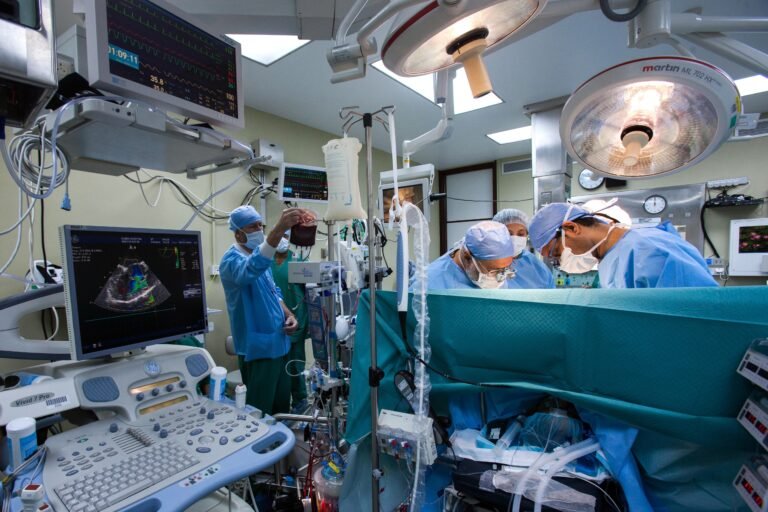

How to Choose the Right Medical Equipment for Hospitals and Healthcare Facilities
Choosing the right medical equipment is one of the most important decisions for any hospital, clinic, diagnostic center, or healthcare facility. The quality, reliability, and functionality of medical devices can directly influence patient care, healthcare professionals’ efficiency, and the overall performance of a facility. With numerous products and manufacturers available in the market, healthcare organizations need to carefully evaluate their options before making a purchase.
Here are some important factors to consider when selecting medical equipment.
1. Understand Your Healthcare Facility’s Requirements
The first step is to identify exactly what your facility needs. Consider the type of healthcare services you provide, patient volume, available infrastructure, and the requirements of doctors and medical staff.
For example, a diagnostic center may require advanced diagnostic equipment, while an emergency department may prioritize patient monitoring and life-support equipment. Creating a detailed equipment requirement list can help avoid unnecessary purchases and ensure that investments support actual clinical needs.
2. Focus on Quality and Reliability
Medical equipment must perform consistently and accurately. Equipment failure can affect workflows and, in some cases, patient safety. Therefore, choose products from established manufacturers and reliable suppliers.
Look for equipment manufactured according to recognized quality and safety standards. Product documentation, certifications, testing information, and manufacturer reputation should be evaluated before making a purchasing decision.
3. Check Product Specifications
Don’t choose medical equipment based solely on price or appearance. Carefully compare technical specifications and features.
Consider factors such as:
- Accuracy and performance
- Operating capacity
- Measurement range
- Ease of use
- Compatibility with existing systems
- Power requirements
- Portability
- Software and connectivity features
The equipment should meet the specific clinical requirements of your healthcare facility.
4. Consider Ease of Use
Healthcare professionals often work in demanding environments where time is critical. Equipment should therefore be intuitive and easy to operate.
User-friendly interfaces, clear displays, simple controls, and straightforward maintenance can reduce training requirements and minimize operational errors. Before purchasing, it can be helpful to arrange product demonstrations or trials whenever possible.
5. Evaluate Total Cost of Ownership
The purchase price is only one part of the overall cost. Hospitals should consider the total cost of ownership, including installation, training, consumables, maintenance, repairs, replacement parts, and energy consumption.
A slightly more expensive device may provide better long-term value if it offers greater durability, lower maintenance costs, and better performance.
6. Check Warranty and After-Sales Support
Reliable after-sales service is essential when purchasing medical equipment. Before placing an order, understand the warranty terms, service availability, replacement-part support, and maintenance procedures.
A dependable supplier should be able to provide technical assistance and timely support when equipment requires servicing or troubleshooting.
7. Choose a Trusted Medical Equipment Supplier
The supplier is just as important as the product itself. Work with a medical equipment supplier that offers genuine products, transparent pricing, appropriate documentation, reliable delivery, and professional customer support.
A trusted supplier can also help healthcare facilities identify suitable products based on their clinical and budgetary requirements.
8. Plan for Future Needs
Healthcare technology continues to evolve. When purchasing equipment, consider whether the product can support future requirements. Features such as software upgrades, connectivity, scalability, and compatibility with hospital information systems can increase the long-term usefulness of your investment.
Conclusion
Selecting the right medical equipment requires careful consideration of clinical requirements, quality, specifications, usability, cost, warranty, and supplier support. Hospitals and healthcare facilities should focus on long-term value rather than simply choosing the lowest-priced option.
At eMedeCare, we aim to help healthcare organizations source dependable medical equipment and make informed purchasing decisions. By evaluating products carefully and partnering with a reliable supplier, healthcare facilities can improve operational efficiency, support healthcare professionals, and contribute to better patient care.